Eco Friendly Running Tracks can reduce long term operating costs when they are designed, installed, inspected, and cleaned as one complete system. The lowest purchase price does not always produce the lowest maintenance cost. Facility owners, schools, municipalities, sports clubs, and contractors usually want a track that remains safe, attractive, and resilient while requiring less labor, water, repair material, and downtime.
This practical guide explains how to lower the total cost of ownership of an Eco Friendly Running Track. It covers material selection, drainage, installation control, daily care, seasonal inspection, repair planning, required tools, cost calculations, and common mistakes to avoid. LIKE SPORTS can help buyers select suitable track systems and maintenance practices for different climates, usage levels, and project budgets.
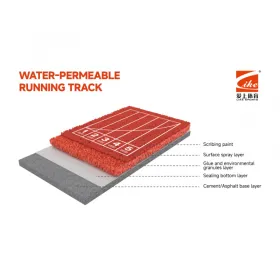
Understand What Buyers Really Need Before Choosing a Track System
Searchers looking for ways to reduce running track maintenance costs are usually trying to solve several purchasing problems at the same time. They need a safe surface, predictable maintenance expenses, reliable performance, and a long service life without creating unnecessary environmental impact.
Control the total cost of ownership
A low initial quote may hide future costs for recoating, seam repair, cleaning, water removal, repainting, and surface replacement. Compare each option across its complete service life instead of comparing only the material price.
- Initial material and installation cost
- Drainage and sub-base preparation cost
- Annual cleaning and inspection labor
- Routine repair and line-marking cost
- Expected resurfacing interval
- Downtime and lost facility revenue
- Removal and disposal cost at the end of service life
Reduce labor and operational disruption
Many facilities do not have a dedicated maintenance team. They need a surface that can be inspected quickly, cleaned with commonly available equipment, and repaired without closing the entire track for a long period.
- Choose a surface with simple cleaning requirements.
- Confirm that local contractors can repair the selected system.
- Request clear maintenance instructions from the supplier.
- Plan repairs during school holidays, low-use periods, or scheduled closures.
- Keep spare repair materials available for small defects.
Maintain safety and athletic performance
Cost reduction should never mean ignoring shock absorption, traction, drainage, or surface consistency. Poor maintenance can create slippery areas, loose granules, trip hazards, and uneven impact response.
- Inspect high-use lanes more frequently than low-use areas.
- Remove standing water as soon as possible.
- Repair open seams and surface cracks before they expand.
- Keep sand, leaves, oil, and organic debris away from the surface.
- Check that line markings remain visible and accurate.
Choose Materials That Reduce Future Maintenance Work
Material selection has a direct effect on cleaning frequency, repair requirements, water consumption, and replacement intervals. The best choice depends on climate, usage intensity, drainage quality, and the expected athletic performance of the track.
Compare surface systems by maintenance behavior
- Water-based polyurethane systems: These systems can provide a consistent athletic surface and may support lower-emission project goals when properly specified. They require controlled installation conditions and regular cleaning.
- Full polyurethane systems: These systems are durable and suitable for demanding facilities. They may require higher installation investment but can reduce frequent repairs when the base and drainage are correctly constructed.
- Prefabricated rubber systems: These systems provide factory-controlled thickness and performance. Buyers should check seam quality, adhesive compatibility, and repair procedures.
- Porous systems: These systems can support rapid water drainage through the surface. They require protection from blocked pores, dirt accumulation, and contaminated sub-base materials.
- Recycled rubber content: Recycled content can support sustainability objectives, but buyers should verify technical performance, emissions information, durability data, and local compliance requirements.
Ask suppliers for maintenance-related specifications
Do not request only color charts and sports performance data. Ask for information that helps estimate maintenance labor and future repair costs.
- Recommended cleaning method and cleaning frequency
- Compatible detergents and prohibited chemicals
- Minimum and maximum installation temperatures
- Recommended moisture conditions during installation
- Expected service life under the proposed usage level
- Repair method for cracks, blisters, seams, and worn areas
- Compatible line-marking paint
- Warranty conditions related to drainage, cleaning, and misuse
- Availability of replacement materials and technical support
Do not select materials before reviewing the site conditions
A high-quality surface can fail early if it is installed over a weak, wet, contaminated, or poorly drained base. Confirm that the selected system matches the substrate and the local climate before placing an order.
- Review soil bearing capacity and settlement risk.
- Check the slope and crossfall of the base.
- Test whether water drains away from the track.
- Identify areas exposed to tree roots or repeated flooding.
- Consider ultraviolet exposure, freeze-thaw cycles, heat, and heavy rainfall.
- Confirm the expected daily user volume and sports activities.
Reduce Maintenance Costs Through Correct Drainage and Base Preparation
Drainage failures are among the most expensive causes of premature track repair. Water can weaken the sub-base, create blisters, loosen seams, promote biological growth, and carry dirt into the surface pores.
Inspect the drainage design before construction
- Review the civil drawings and identify all surface drains, channels, outfalls, and inspection points.
- Confirm that the finished track has the specified crossfall and that there are no low spots.
- Check that drainage channels are protected from construction debris.
- Verify that surrounding landscaping directs water away from the track.
- Inspect the discharge route to ensure that water has a clear path away from the facility.
Protect the sub-base from moisture damage
- Use approved base materials with consistent grading.
- Compact each layer according to the project specification.
- Prevent construction traffic from contaminating prepared layers.
- Do not install the surface over a base that is excessively wet.
- Perform moisture and level checks before applying primers or binders.
- Record inspection results with photographs and written measurements.
Test drainage before opening the track
- Clean the surface and drainage channels.
- Apply a controlled amount of water to representative track areas.
- Observe whether water flows toward the intended drainage points.
- Mark any ponding areas that remain after the expected drainage period.
- Correct low spots, blocked outlets, or damaged channels before handover.
- Repeat the test after final landscaping and surrounding paving are complete.
Follow a Step by Step Installation and Handover Process
Correct installation is one of the most effective ways to prevent future maintenance costs. Small installation errors can become large repair problems after repeated use, temperature changes, and rainfall.
First step: Create a project maintenance brief
Define the maintenance target before construction starts. The brief should identify who will clean the track, how often inspections will occur, what equipment is available, and which areas receive the most traffic.
- Expected daily and weekly usage
- Number of lanes and track events
- Indoor or outdoor exposure
- Local rainfall and temperature conditions
- Available maintenance staff
- Available cleaning and repair equipment
- Required response time for defects
Second step: Approve the base and drainage
Inspect the sub-base, asphalt, slopes, joints, edge restraints, and drainage before installing the surfacing system. Record measurements and obtain written approval from the responsible project representative.
Third step: Control installation conditions
Follow the product data sheet for temperature, humidity, substrate moisture, mixing time, curing time, and application thickness. Do not allow rushed work because premature opening can damage the surface and invalidate the warranty.
- Check weather conditions before each application period.
- Protect the work area from dust, rain, and unauthorized access.
- Use calibrated application tools.
- Mix materials according to the specified ratio.
- Monitor coverage and thickness throughout the installation.
- Keep written batch and application records.
Fourth step: Protect edges, joints, and transitions
Edges and transitions often receive more damage than the center of the track. Check the areas around kerbs, drains, long jump runways, field event zones, gates, and maintenance vehicle access points.
- Install durable edge protection where required.
- Seal vulnerable transitions according to the system specification.
- Prevent irrigation water from spraying directly onto the track.
- Use protective mats where equipment must cross the surface.
- Keep heavy vehicles away from the finished track.
Fifth step: Complete a detailed handover inspection
- Check surface color and uniformity.
- Inspect seams, joints, edges, and drainage points.
- Measure surface thickness where required.
- Confirm line-marking dimensions and visibility.
- Remove construction dust, packaging, and adhesive residue.
- Record photographs of all completed areas.
- Obtain cleaning instructions, warranty documents, and repair contacts.
- Set the date for the first scheduled inspection.
Use a Preventive Maintenance Schedule
Preventive maintenance is usually less expensive than emergency repair. A simple schedule helps staff identify problems when they are small and prevents minor contamination from becoming permanent damage.
Inspect the track every day or before each major use
- Remove stones, glass, branches, leaves, and other sharp debris.
- Look for standing water and blocked drains.
- Check for visible tears, open seams, blisters, or loose particles.
- Look for oil, fuel, food, chewing gum, and chemical spills.
- Confirm that access gates and equipment routes are not damaging the surface.
Clean the track every week or as needed
- Use a soft brush or approved blower to remove loose debris.
- Clean drainage grates and channels.
- Spot-clean stains with the supplier-approved cleaning solution.
- Use low-pressure water only when the surface system allows it.
- Direct dirty water away from the track and drainage outlets.
- Allow the surface to dry before reopening it for high-intensity use.
Complete a monthly condition inspection
- Walk every lane and inspect high-use areas.
- Compare the surface color and texture with previous inspection photos.
- Check the takeoff and landing zones for concentrated wear.
- Inspect seams and perimeter details closely.
- Review line-marking wear and measurement accuracy.
- Record defects by location, size, severity, and recommended action.
Complete a seasonal maintenance review
Seasonal changes can expose drainage, thermal movement, ultraviolet aging, and freeze-thaw problems. Schedule a more detailed review before the wettest, coldest, or hottest season in your area.
- Clean all drainage points before heavy rain periods.
- Inspect for frost damage after winter.
- Check for surface softening or excessive heat exposure in summer.
- Trim nearby vegetation to reduce leaf and root problems.
- Review irrigation spray patterns.
- Repair defects before the busiest competition season.
Use the Correct Tools and Maintenance Materials
Using unsuitable equipment can damage the surface and increase repair costs. Prepare a dedicated maintenance kit and store it away from fuel, oils, solvents, and sharp construction tools.
Required inspection tools
- Inspection checklist and maintenance log
- Mobile phone or camera for condition photographs
- Tape measure or measuring wheel
- Straightedge for checking local unevenness
- Flashlight for inspecting joints and drains
- Water hose for controlled drainage checks
- Moisture meter when required by the surface system
Required cleaning tools
- Soft-bristle push broom
- Non-metallic leaf rake
- Low-pressure blower
- Wet vacuum suitable for the surface
- Clean buckets and soft cleaning pads
- Approved neutral cleaning solution
- Absorbent material for small spills
- Drain and channel cleaning tools
Required repair and safety supplies
- Supplier-approved repair compound
- Compatible primer or adhesive
- Replacement surface material
- Masking tape and measuring tools
- Plastic mixing containers
- Mixing paddles and calibrated measuring equipment
- Protective gloves, safety glasses, and suitable footwear
- Warning signs and temporary access barriers
Maintain the tools as carefully as the track
Clean tools after use so that old chemicals, grit, and hardened material do not transfer to the running surface. Replace worn broom heads and inspect blower settings before use. Never store fuel-powered equipment where fuel leakage can reach the track.
Repair Small Defects Before They Become Major Failures
Every defect should be assessed by its location, size, cause, and rate of growth. A small surface cut may require a simple repair, while a recurring blister may indicate trapped moisture or a deeper base problem.
Repair open seams promptly
- Close the affected area to users.
- Clean the seam and remove loose particles.
- Determine whether the movement is limited to the surface or extends into the base.
- Use the supplier-approved adhesive or repair compound.
- Apply the repair under the specified temperature and moisture conditions.
- Allow the repair to cure fully before reopening the area.
- Record the repair date, material, location, and result.
Investigate blisters and recurring bubbles
Do not simply puncture and cover a blister without identifying the cause. Trapped moisture, vapor pressure, poor adhesion, contamination, and substrate movement can cause the problem to return.
- Mark the blister location.
- Check nearby drainage and substrate moisture.
- Ask a qualified technician to determine the repair method.
- Remove damaged material only as far as necessary.
- Correct the moisture or adhesion problem before resurfacing.
Renew worn line markings strategically
Repainting the entire track every time one area becomes faint increases cost and downtime. Inspect line markings regularly and plan localized renewal when permitted by the system manufacturer.
- Use only compatible line-marking paint.
- Confirm line dimensions before masking.
- Clean and dry the surface before painting.
- Protect adjacent lanes from overspray.
- Allow the paint to cure before training or competition use.
Calculate Maintenance Costs Before Selecting the Product
A simple cost model helps buyers compare different Eco Friendly Running Tracks fairly. Use actual facility data whenever possible and separate routine maintenance from major renovation.
Calculate the annual maintenance budget
Use the following structure:
- Annual cleaning labor
- Cleaning supplies and water
- Inspection labor
- Routine repairs
- Line-marking renewal
- Drainage cleaning
- Specialist inspection fees
- Contingency allowance for unexpected defects
Estimated annual maintenance cost = labor + equipment + cleaning materials + routine repairs + specialist services + contingency.
Calculate the life cycle cost
For a long term comparison, include the initial project cost and the expected major renovation costs.
Life cycle cost = initial installation cost + total maintenance cost during the service period + major repair or resurfacing cost + removal cost - remaining value of reusable components.
Compare products using the same assumptions
- Use the same service period for every option.
- Use the same expected usage level.
- Include local labor rates.
- Include water and electricity costs.
- Include planned downtime.
- Include drainage and base preparation requirements.
- Ask suppliers to identify exclusions and warranty limitations.
Avoid Common Maintenance Mistakes
Most avoidable maintenance costs come from incorrect cleaning, delayed repairs, poor drainage management, or lack of documentation.
Mistake one: Using aggressive chemicals
Solvents, strong acids, petroleum products, and unapproved disinfectants can weaken binders, discolor the surface, or reduce traction. Use only products approved for the selected system.
Mistake two: Using metal tools or hard brushes
Metal edges can cut or scratch the surface. Use soft bristles and non-metallic tools unless the manufacturer gives different instructions.
Mistake three: Pressure washing without approval
Excessive water pressure can remove loose granules, force water into seams, and damage coatings. Confirm the permitted pressure and nozzle distance before using powered washing equipment.
Mistake four: Ignoring standing water
Standing water should never be treated as normal. Find the cause, clean the drain, check the slope, and arrange corrective work before repeated wetting causes deeper damage.
Mistake five: Allowing vehicles onto the track
Maintenance vehicles, forklifts, and delivery carts can create wheel marks, compression damage, and contamination. Use designated access routes and protective panels when heavy equipment is unavoidable.
Mistake six: Delaying small repairs
A small seam opening or surface cut can expand through water penetration and repeated foot traffic. Set a repair threshold and address defects during the next planned closure.
Mistake seven: Failing to keep maintenance records
Without records, facility teams cannot identify recurring defects or prove that the surface was maintained correctly. Keep inspection dates, photographs, cleaning products, repairs, weather conditions, and responsible personnel in one maintenance file.
Mistake eight: Changing products without checking compatibility
New primers, paints, adhesives, and cleaning agents may not bond correctly with the existing surface. Confirm compatibility with the original supplier or a qualified track technician before application.
Build a Practical Low Cost Maintenance Plan
First month after handover
- Review the supplier maintenance manual with facility staff.
- Confirm that drainage channels remain clear.
- Record the original surface condition with photographs.
- Check for installation defects before the warranty inspection.
- Restrict unauthorized access and unsuitable equipment.
Months two through twelve
- Follow daily, weekly, monthly, and seasonal inspections.
- Track cleaning labor and material consumption.
- Record all defects and repairs.
- Review high-use areas for accelerated wear.
- Arrange a professional inspection before the busiest season.
After the first year
- Compare actual maintenance cost with the original budget.
- Identify recurring defects and their likely causes.
- Adjust cleaning frequency according to real usage and weather.
- Replace damaged tools that may harm the surface.
- Schedule planned repairs instead of waiting for emergency failure.
- Review whether drainage, landscaping, or access controls need improvement.
Choose LIKE SPORTS for a Maintenance Focused Track Project
Reducing maintenance costs starts with the correct system design, accurate site assessment, professional installation, and a clear maintenance plan. A durable Eco Friendly Running Track should be evaluated by its total cost of ownership, not only by its purchase price. Good drainage, compatible materials, regular inspections, suitable tools, and prompt repairs can extend service life while protecting athlete safety and facility availability.
LIKE SPORTS supports buyers who need practical guidance for Eco Friendly Running Tracks, including product selection, project planning, installation requirements, maintenance recommendations, and long term surface care. Visit to discuss a track solution that balances performance, environmental responsibility, and predictable maintenance costs.